Case Study: Transit Warehousing eBook + Campaign Assets
Role: Designer
Project Type: eBook, Social campaign, Landing page
Client: WiseTech Global (Transit Warehouse initiative)
Overview
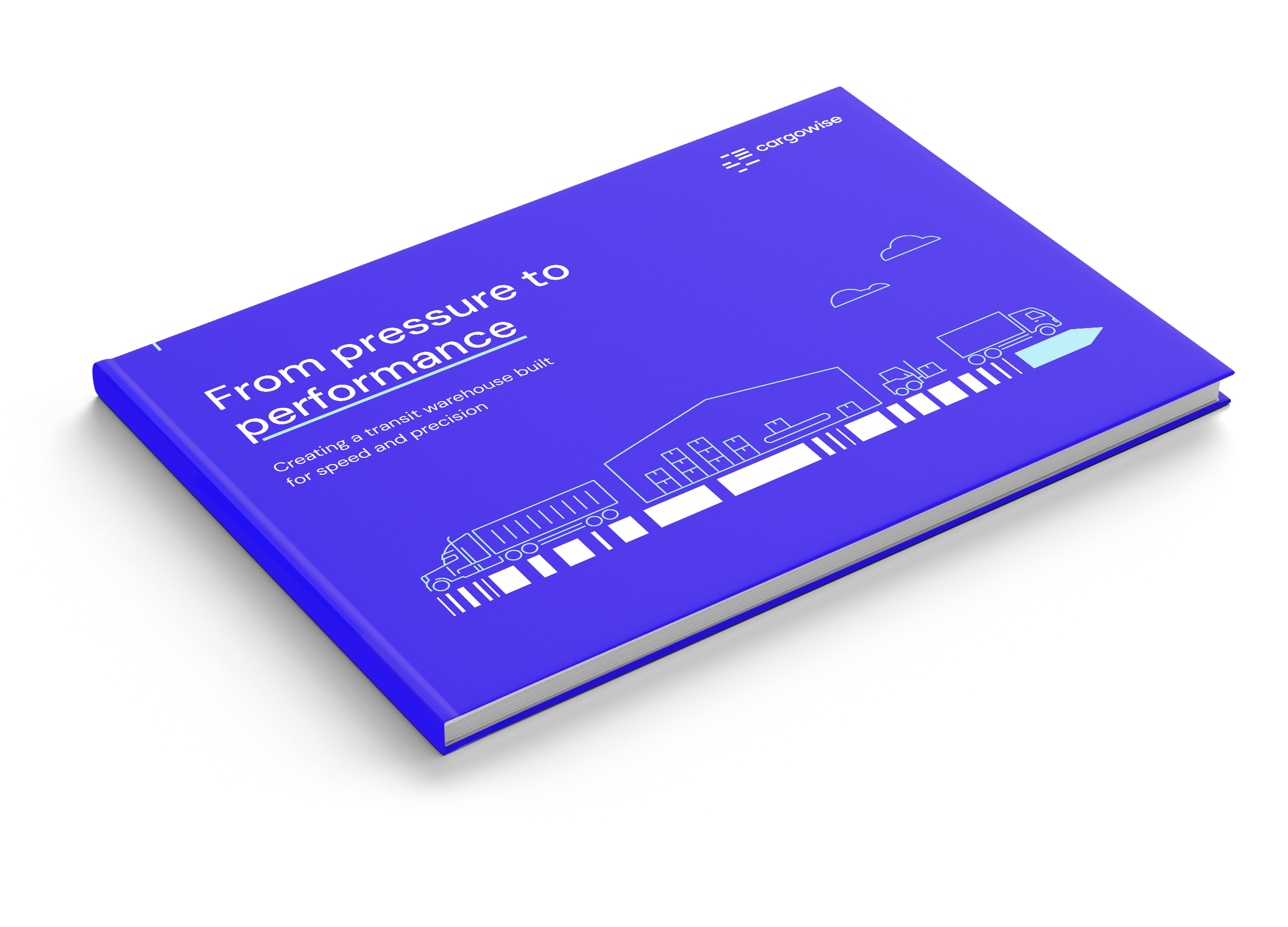
Transit warehousing is a complex logistics topic that needed to be communicated in a visually engaging and easy-to-understand format. My task was to create a full content ecosystem—an eBook, supporting social media assets, and a landing page experience—to position WiseTech Global as a thought leader and drive targeted lead generation.
The deliverables needed to simplify technical concepts, strengthen visual storytelling, and ensure a cohesive experience across all touchpoints.
Project Goals
• Break down the Transit Warehousing value proposition into a clear, approachable narrative.
• Build an eBook that uses strong visuals to explain workflows, efficiencies, and use cases.
• Create a unified visual system for social promotion and the landing page to drive traffic and conversions.
• Ensure all assets comply with brand guidelines and maintain a premium, enterprise feel.
Approach
1. Concept & Narrative Structure
Working with the content team, I helped structure the eBook into digestible chapters:
What Transit Warehousing is
Key operational challenges
How CargoWise solves bottlenecks
Real-world applications and benefits
Measurable ROI for customers
I translated dense information into a visual narrative using diagrams, icon systems, and workflow illustrations.
2. Visual Design System Creation
I developed a graphic language tailored specifically for this campaign:
Clean, technical line illustrations
A blue-forward palette aligned with CargoWise branding
Modular layouts that supported storytelling through visuals
Infographics that simplified data-heavy points
Consistent typographic scale for readability
This system was applied across the eBook, social assets, and landing page for a unified brand experience.
3. eBook Design (Primary Deliverable)
The final eBook included:
A strong hero cover (optimized for both digital and print)
15–25 pages of structured layouts
Custom diagrams explaining complex warehousing flows
Data callouts and visual highlights
Pull quotes and real-world scenarios
The goal was clarity, visual hierarchy, and narrative continuity.
4. Social Media Assets
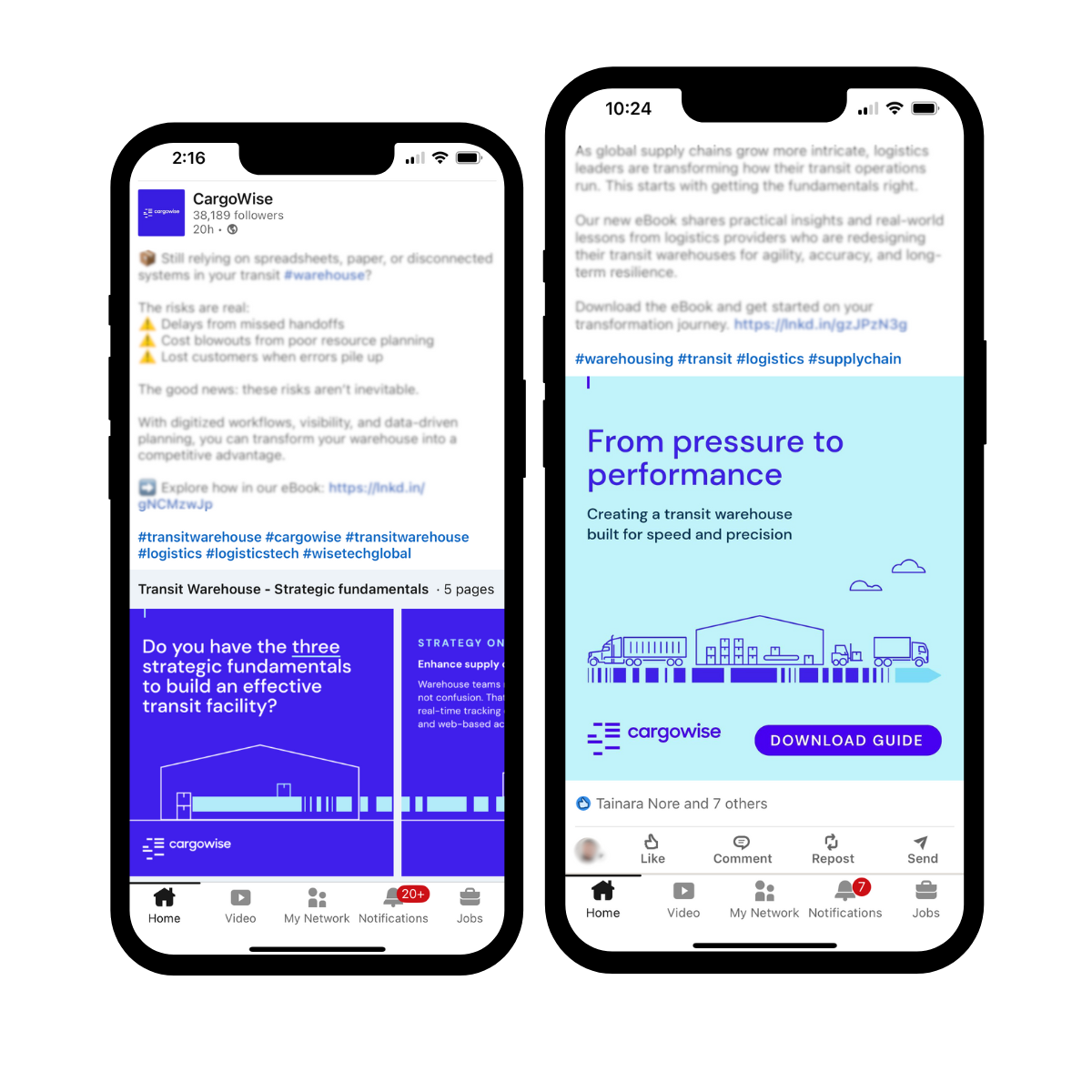
To support the launch, I created a full suite of social graphics:
LinkedIn carousels
Static posts with key takeaways
Promo banners for internal channels
Short teaser animations (if applicable)
Each asset is connected visually to the eBook while being optimized for scroll-stopping impact.
5. Landing Page & Web Assets
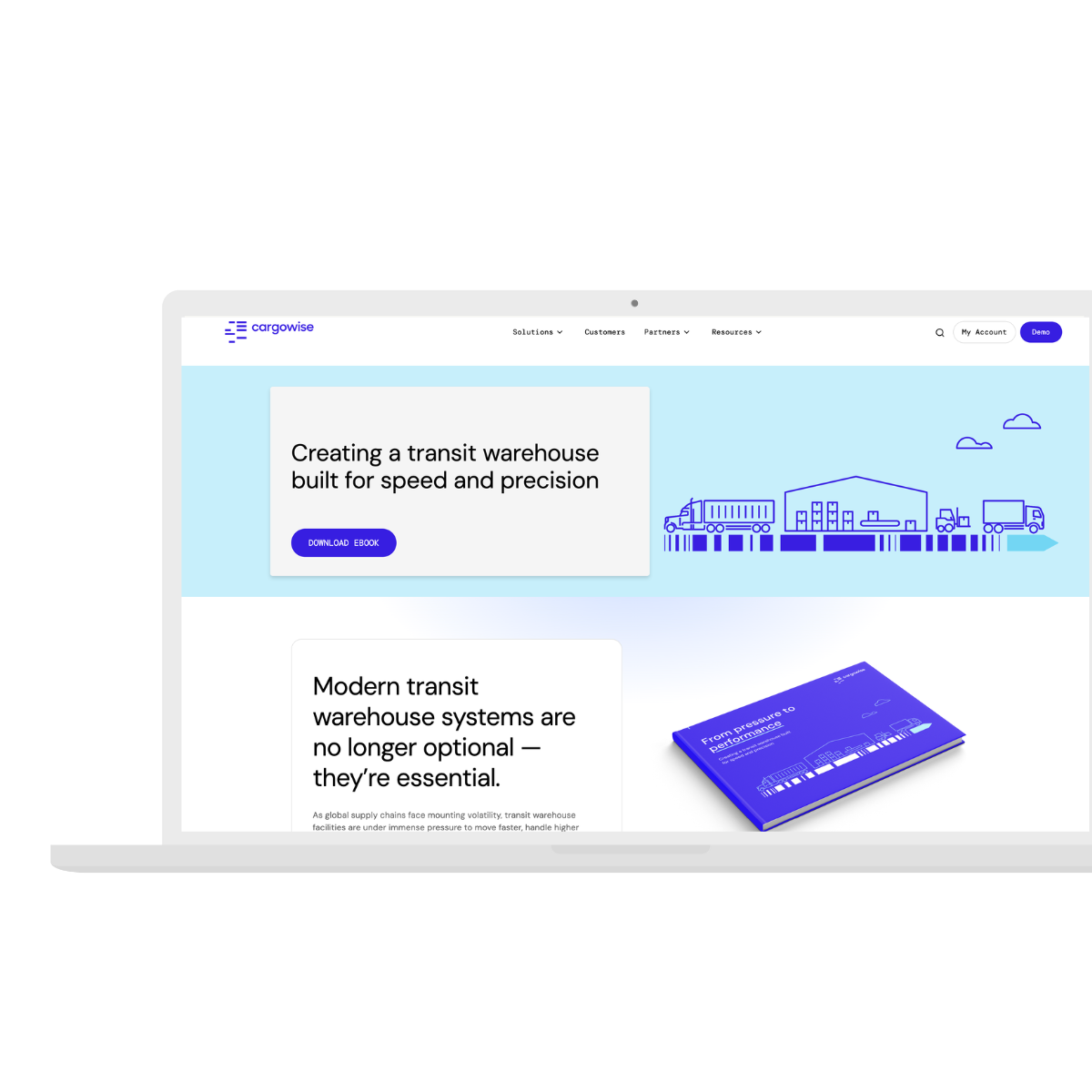
The landing page design extended the visual system with:
A hero section aligned to the eBook cover
Snippets from the eBook to preview the content
Iconography + diagrams for quick scanning
Clear call-to-action placement (“Download the eBook”)
Responsive UI tailored for mobile and desktop
Impact
Increased Engagement & Lead Generation
The unified creative campaign ensured the eBook’s message carried consistently from social channels to the landing page.
Results included:
Higher-than-average landing page engagement
Strong click-through from social posts
Clearer understanding of Transit Warehousing within target audiences (validated through partner/sales feedback)
Improved Internal Alignment
Sales, marketing, and product teams leveraged the eBook visuals—and especially the workflow diagrams—in presentations, demos, and customer conversations.
Evergreen Asset Creation
The visual system and diagrams created for this eBook became a reusable foundation for future warehousing and logistics content.
My Contributions
Led design direction for the entire Transit Warehousing campaign
Developed the visual style, icon systems, and diagrams
Designed the full eBook layout
Created short-form and long-form social assets
Designed landing page graphic elements
Collaborated closely with content, PMM, and digital teams through iterations
Ensured accessibility and brand consistency across all outputs
Tools Used
Adobe Illustrator
Adobe InDesign
Photoshop
Canva